Hydrophones
Introduction
A Hydrophone is an underwater microphone. Natako Audio’s hydrophones are designed especially to be durable and to provide a high-quality listening experience at an affordable price. Our hydrophones are used in a variety of applications mentioned below.
Where They Fit, and Where They Don’t
Our hydrophones are designed to make underwater listening for the widest possible range of applications accessible without the cost and complexity of laboratory-grade equipment. They are field-tested in saltwater to depths of up to 30 m, making them well suited for near-surface and moderate-depth recording, education, research, environmental monitoring, prototyping, and general underwater acoustic work.
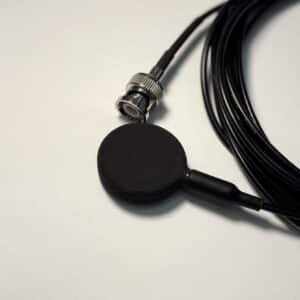
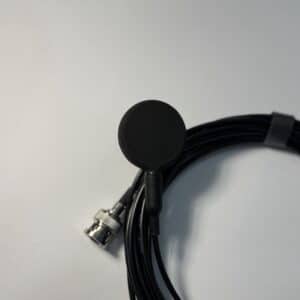
The hydrophones are supplied with a 5 m RG174 coaxial cable as standard and a BNC male connector, with other cable lengths available for applications that require them. They are passive sensors and do not require phantom power. Our hydrophones are not individually calibrated, so their published sensitivity and frequency-response specifications should be regarded as typical rather than traceable calibration data.
It is equally important to be clear about where they do not fit. These hydrophones are not intended for certified acoustic metrology, applications requiring traceable absolute sound-pressure measurements, permanent or very long-term underwater deployments, or deep-water operation beyond the tested depth range.
If your application requires a calibrated reference instrument with certified performance, a professional metrology hydrophone is the appropriate choice. If you need a practical, affordable sensor for capturing and analyzing underwater sound, our hydrophones are designed for exactly that space.
For a more detailed comparison see: Compare hydrophone models
Comparison Chart
| Hydrophone | AquaHear 1.0 | AquaHear 1.5 | AquaHear 2.5 |
|---|---|---|---|
| Price | $ 59.90 | $ 99.90 | $ 149.90 |
| Directivity | Direction-oriented | Direction-oriented | Omnidirectional |
| Frequency Range | 20Hz – 20kHz | 20Hz – 20kHz | 20Hz – 90kHz |
| Sensitivity(~) | -194dB (re: V/1µPa) @ 1kHz to 5kHz -208dB (re: V/1µPa) @ 6kHz to 20kHz |
-195dB (re: V/1µPa) @ 1kHz to 15kHz -208dB (re: V/1µPa) @ 16kHz to 25kHz |
-212dB (re: V/1µPa) @ 1kHz to 46kHz |
| Description | Our base model. Perfect for casual enthusiasts, a low-cost hydrophone that is durable, and records high-quality sound. Mainly used by casuals — perfect if you want to listen to some fish, record the meditative sounds of water flow, or just enjoy listening to sparkling water sounds. | A versatile hydrophone with improved sensitivity designed for clear underwater sound recording and live listening. It offers wide frequency response and high sensitivity, making it ideal for field recording, education, diving, and general research. | A broadband, omnidirectional hydrophone designed for durability and ease of use. It operates under a wide frequency range, making it ideal for field recording, leak detection, research, and educational use. |
| Typical Capacity | 20nF – 30nF | 20nF – 30nF | 12.5nF ± 1nF |
| Connector | BNC Male | BNC Male | BNC Male |
| Waterproofing Material | Double-Layer Polyurethane Coating | Double-Layer Polyurethane Coating | Polyurethane Body |
| Cable Type | RG174 shielded coaxial cable | RG174 shielded coaxial cable | RG174 shielded coaxial cable |
| Cable Length | 5 Meter (Optionally Longer) | 5 Meter (Optionally Longer) | 5 Meter (Optionally Longer) |
| Recommended Max Depth | 30 Meters (Tested) | 30 Meters (Tested) | 30 Meters (Tested) |
| Warranty | 1 Year Limited Warranty | 1 Year Limited Warranty | 1 Year Limited Warranty |
We encourage our clients to test and understand the high quality our hydrophones offer for their price.
Honestly priced
cost-effective hydrophones.
Quality
different models to get the best product for your purpose.
Long lasting
designed to be durable and reliable.
Dedicated support team
personal support for every problem or question.
Best Applications
Generally, our hydrophones are designed with the user experience and ease of use in mind. That ensures that most of the common hydrophone uses are possible.
What are hydrophones used for? Our low-cost hydrophones you can listen to fish, detect pool leaks, and record any water sounds you like.
Frequently Asked Questions
What types of hydrophones do you offer?
We offer several hydrophone models and hydrophone kits with different sensitivities and frequency ranges.
The AquaHear 2.5 is omnidirectional, while the AquaHear 1.0 and 1.5 are directional. All are sealed for continuous underwater use and tested to 30 m depth.
See our hydrophone comparison to choose the model that best fits your application.
Do I need additional equipment to use your hydrophones?
It depends on your recording setup:
- Zoom, MixPre II, and most recorders with microphone inputs: connect the hydrophone directly. A preamplifier is optional if additional gain is needed.
- Laptops or line-level inputs: we recommend our RigidEnhancer Hydrophone Preamplifier or another compatible microphone preamp.
- Live listening: use the RigidEnhancer Preamplifier connected to an amplifier and speaker.
Quick-start guides are included with our kits.
What is the sensitivity of your hydrophones?
Each model has a typical sensitivity range suited to natural underwater recording. While our hydrophones are not individually calibrated, every unit is individually tested to ensure consistent performance.
For applications requiring precise measurements, the hydrophone can be compared against a calibrated reference sensor in your lab.
How deep can I submerge them?
All Natako Audio hydrophones are function-tested and sea-tested to 30 m depth, confirming reliable operation without leakage or performance degradation.
This is a tested depth, not a certified depth rating. For deeper applications, please contact us to discuss your requirements and possible custom solutions.
Do the hydrophones come with calibration?
Our hydrophones are not individually calibrated to an absolute reference standard. They are primarily intended for underwater listening and recording, education, experimentation, and research where certified absolute measurements are not required.
Showing all 3 results